 Save
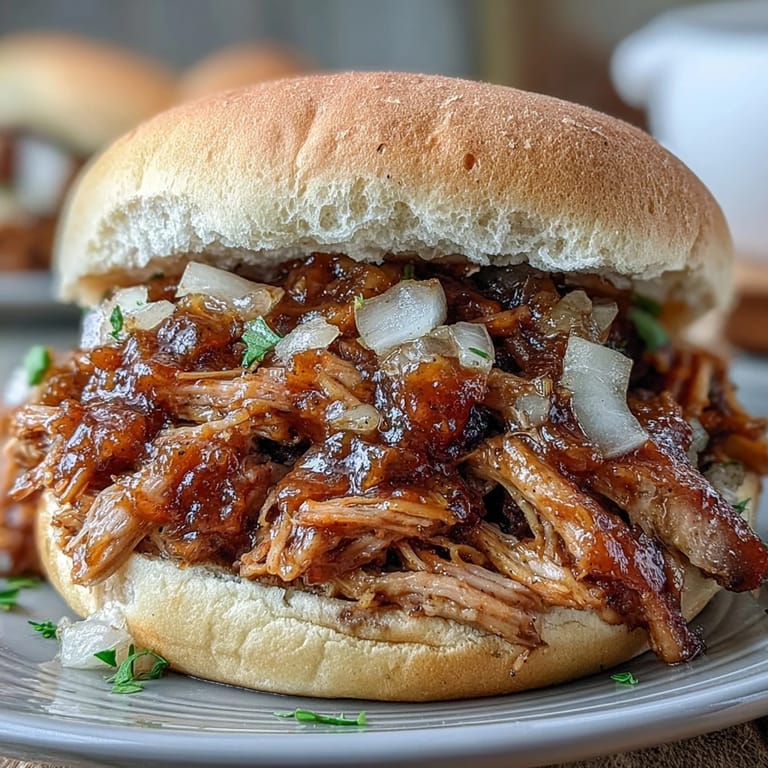
Save My kitchen smelled like an apple orchard had collided with a barbecue the first time I tried this. A friend texted asking what I was making, and when I described the applesauce-and-pork situation happening in my slow cooker, she laughed and said it sounded like I was making dessert for dinner. Eight hours later, when that first bite hit—sweet, smoky, impossibly tender—I understood why this unlikely combination has quietly become one of my most-requested meals.
I made this for a Sunday gathering last fall when the weather had finally turned cool, and someone brought apple cider donuts—the whole kitchen felt like October. My sister arrived early and stood by the slow cooker for a solid minute, just breathing in, before saying it smelled like the best decision I'd made all week. By the time everyone gathered around the table, that pork had spent all day absorbing the apple cider and spices until it was almost jammy in texture, and we went through two batches of buns.
Ingredients
- Pork shoulder or pork butt (3 lbs): This cut has enough fat and connective tissue to become silky during those long, low hours in the slow cooker—it's the difference between shredding and mushing.
- Kosher salt and black pepper: The foundation that lets everything else shine without overshadowing it.
- Smoked paprika (1 tsp): A trick I learned to add depth without needing actual smoke; it gives you that barbecue flavor that hints at something slower and more intentional.
- Ground cinnamon (½ tsp): Sounds weird, tastes inevitable once you know about it.
- Unsweetened applesauce (1 ½ cups): The unsweetened part matters because you're adding brown sugar separately; this keeps you from ending up with something cloying.
- Apple cider (1 cup): Fresh cider, not vinegar—the difference is the difference between tart complexity and one-note sourness.
- Brown sugar (¼ cup): Just enough to round out the acidity and make the sauce feel complete.
- Dijon mustard (2 tbsp): Acts as an invisible backbone, binding flavors together without making itself known.
- Apple cider vinegar (2 tbsp): Adds brightness and keeps the sweetness honest.
- Yellow onion and garlic: The aromatics that build the foundation—don't skip these even though they'll mostly disappear into the sauce.
- Sandwich buns (6): Soft buns are crucial because they'll soak up sauce without falling apart or tasting dense.
Tired of Takeout? 🥡
Get 10 meals you can make faster than delivery arrives. Seriously.
One email. No spam. Unsubscribe anytime.
Instructions
- Prepare the pork:
- Pat your pork shoulder completely dry with paper towels—this helps the seasoning stick better. Season all sides generously with salt, pepper, smoked paprika, and cinnamon, getting into any crevices and making sure you're not creating any bare spots.
- Build your slow cooker base:
- Scatter the thin-sliced onions and minced garlic across the bottom of your slow cooker; they'll create a gentle cushion and infuse everything above them. This step prevents the pork from sitting directly on the hot surface and ensures more even cooking.
- Make the sauce:
- Whisk your applesauce, apple cider, brown sugar, Dijon mustard, and apple cider vinegar together in a bowl until you have something smooth and pourable. Taste it here—you want to notice the apple, the tang, and the subtle mustard without any one element shouting.
- Combine everything:
- Nestle the seasoned pork on top of your onion-garlic bed, then pour that entire sauce mixture over it, making sure some soaks into the crevices and surrounds the meat. The liquid should come about halfway up the pork; this is enough for slow cooking magic.
- Low and slow:
- Cover and cook on low for 8 hours—don't peek constantly because every time you lift that lid, you're releasing heat and extending cooking time. When you do check near the end, the pork should shred easily with just the pressure of a fork.
- Shred and finish:
- Carefully remove the pork to a cutting board, let it cool for just a few minutes, then use two forks to shred it into bite-sized pieces, discarding any thick fat chunks. Skim as much fat as you want from the cooking liquid (I leave a little for flavor), then return the shredded pork to the slow cooker and stir it all together so every strand gets coated in that apple-cinnamon sauce.
- Serve:
- Toast your buns lightly if you want them to hold up better to the moisture, then fill each one with a generous pile of pulled pork. Top with coleslaw for crunch or extra applesauce if you're leaning into the sweetness.
 Save
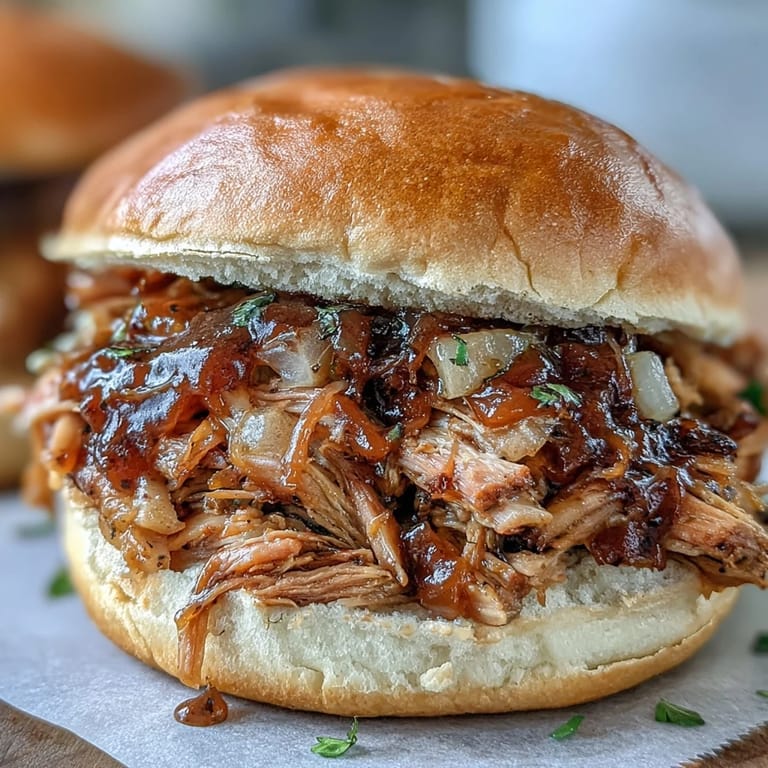
Save There's a moment around hour six when your house starts smelling so good that you stop whatever you're doing and just stand in the kitchen, knowing dinner is going to be exactly right. That's when I know this recipe has worked its quiet magic—when anticipation becomes as much a part of the meal as the food itself.
Why Applesauce Matters Here
Applesauce isn't just a sweetener—it's actually a tenderizer and flavor amplifier. The natural pectin in apples helps break down the pork's connective tissue while adding body to the sauce, so you end up with something that clings to the meat instead of just pooling underneath it. I learned this by accident when I first tried the recipe with just apple cider and brown sugar, and the result was thinner, less satisfying, and missing the comfort factor that makes this dish special.
The Secret of Cinnamon and Smoked Paprika
These two spices shouldn't work together, but they do—cinnamon brings warmth and roundness while smoked paprika adds an almost invisible depth that makes people ask what you did to make it taste so good. The spices don't announce themselves; instead, they work like background singers, making the lead vocal (the pork) sound better than it has any right to. I once made this without the cinnamon just to see, and the dish tasted flat and one-dimensional despite having all the other ingredients, which proved to me that sometimes the small additions matter the most.
Serving and Storing
These sandwiches are best served within a few hours of shredding while the pork is still warm and the sauce is still coating everything evenly. Leftovers reheat beautifully in a covered skillet over medium-low heat with just a splash of water to prevent drying out, and they taste almost better the next day once the flavors have settled into each other.
- Freeze extras in an airtight container for up to two months, and they'll thaw and reheat without losing any of their tender texture.
- Coleslaw is optional but seriously recommended—the cool crunch against the warm, soft pork is exactly what your palate wants.
- Pickles on the side are your friend here, cutting through the richness with their sharp acidity.
 Save
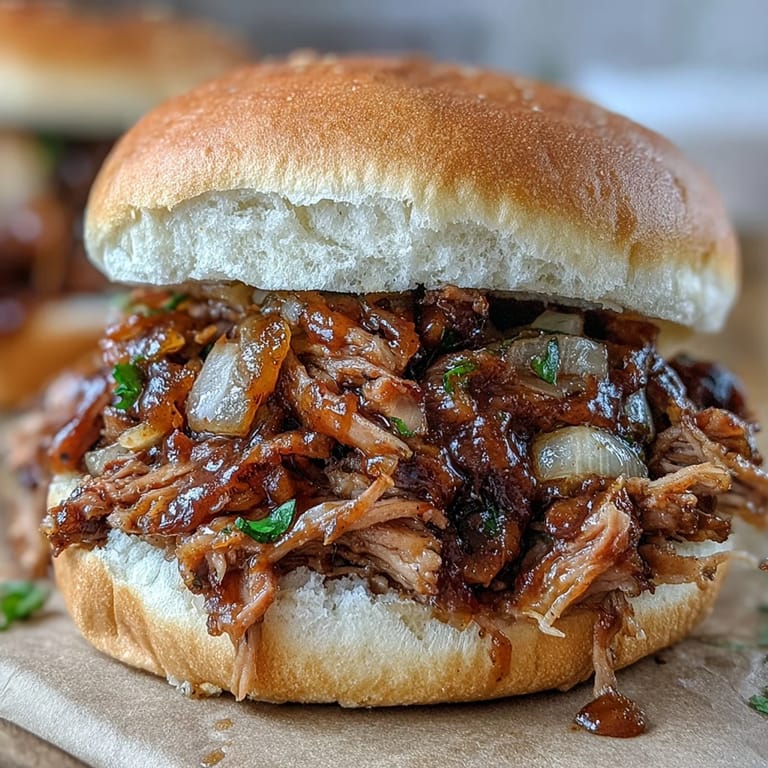
Save This is the kind of recipe that works on tired weeknights when you need comfort food, and it also works for casual gatherings when you want to serve something that tastes more complicated than it actually is. Once you make it, you'll understand why people keep asking for the recipe.
Recipe FAQs
- → Can I use pork loin instead of pork shoulder?
Pork shoulder is recommended because it has more fat and connective tissue, which breaks down during slow cooking to create tender, juicy meat. Pork loin is leaner and may become dry.
- → Can I cook this on high heat to save time?
Yes, you can cook on high for 4-5 hours instead of low for 8 hours. However, low and slow cooking typically produces more tender results.
- → What type of apple cider should I use?
Use fresh apple cider (the non-alcoholic kind), not apple cider vinegar. Look for it in the refrigerated juice section or produce area of your grocery store.
- → How do I store and reheat leftovers?
Store pulled pork in an airtight container with some sauce to keep it moist. Refrigerate for up to 3 days or freeze for up to 2 months. Reheat gently on the stovetop or in the microwave.
- → Can I make this in an Instant Pot?
Yes, you can adapt this for a pressure cooker. Cook on high pressure for 60-75 minutes, then allow natural release for 15 minutes before shredding the pork.
- → What can I serve alongside these sandwiches?
Classic sides include coleslaw, potato salad, baked beans, corn on the cob, sweet potato fries, or a simple green salad. Pickles and chips also pair wonderfully.