 Save
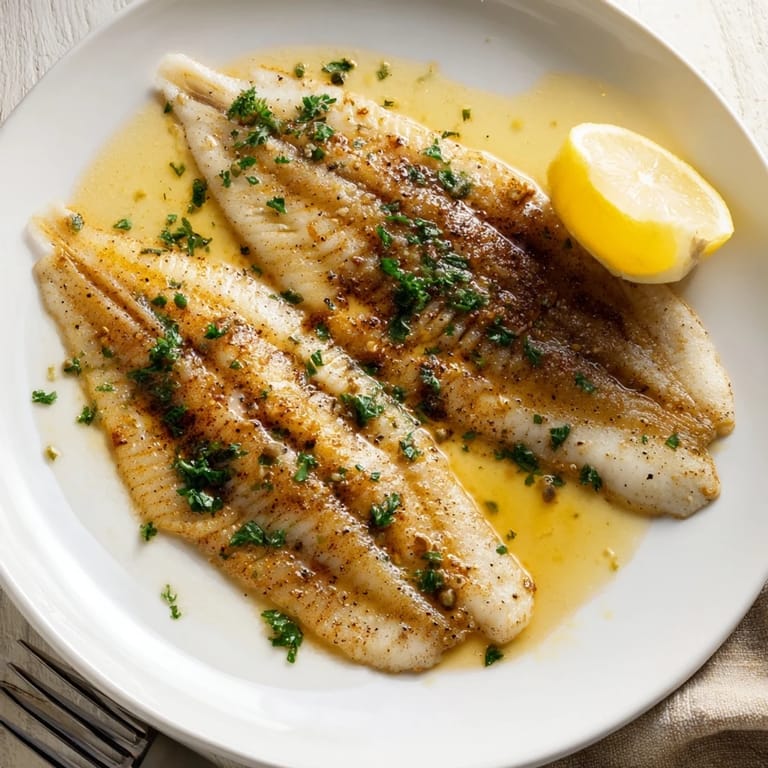
Save The aroma of browning butter with lemon still takes me back to my tiny first apartment kitchen, where I learned that French technique doesn't require hours or fancy equipment. My roommate wandered in asking what smelled so incredible, genuinely shocked I'd made something so restaurant-worthy in twenty minutes flat. That night we stood around the stove eating directly from the plates, ignoring the dining table completely.
I once served this at a dinner party where one guest confessed she'd never liked fish until that exact bite. There's something about the delicate crunch against that warm, nutty, bright butter that converts even the most skeptical eaters. Now it's my go-to for first dates, anniversaries, or Tuesdays that need rescuing from mediocrity.
Ingredients
- Flounder fillets: Delicate and mild, this fish cooks quickly so don't walk away from the stove
- Kosher salt and pepper: Season generously before dredging since the flour coating needs flavor built in
- All-purpose flour: Creates that light golden crust while letting the fish remain tender underneath
- Unsalted butter: Using unsalted gives you complete control over the seasoning in both cooking and sauce
- Olive oil: Prevents the butter from burning too quickly during the initial frying
- Lemon juice: Fresh is absolutely non-negotiable here for that bright cutting finish
- Flat-leaf parsley: Adds freshness and color without overpowering the delicate sauce
Tired of Takeout? 🥡
Get 10 meals you can make faster than delivery arrives. Seriously.
One email. No spam. Unsubscribe anytime.
Instructions
- Prep your fish:
- Pat those fillets completely dry with paper towels, then season both sides with your salt and pepper.
- Dredge lightly:
- Coat each fillet in flour, shaking off any excess so you end up with just a whisper of coating.
- Get the pan hot:
- Heat 2 tablespoons butter with the olive oil over medium-high until you see that foamy bubble action.
- Sear to golden:
- Cook the fillets 2 to 3 minutes per side until golden and just opaque through the center, then move to a warm plate.
- Make the magic sauce:
- Wipe out your skillet, add remaining butter, and cook over medium heat until it smells nutty and turns golden brown.
- Finish with brightness:
- Remove from heat, stir in lemon juice and parsley, then immediately spoon over your waiting fish.
 Save
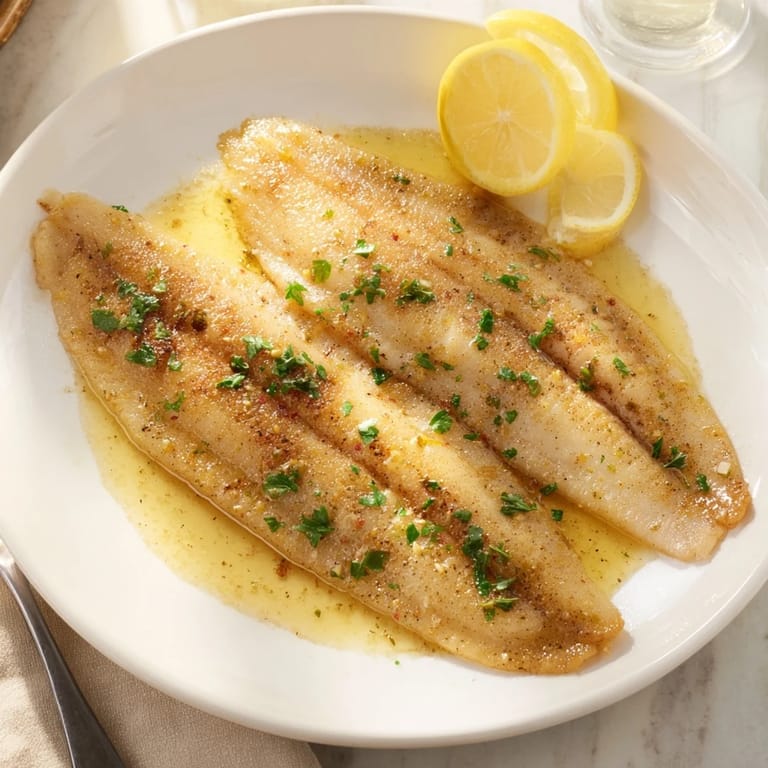
Save My grandmother accidentally doubled the butter once while I was visiting, and honestly it became our new standard. The extra richness wasn't necessary, but nobody at that table complained about the indulgence.
Choosing Your Fish
Look for fillets that are translucent and smell faintly of the ocean, nothing fishy or ammonia-like. Fresh flounder should have firm flesh that springs back when touched gently. If you're unsure, ask your fishmonger what came in that day.
Getting That Perfect Crust
The oil-butter combination is crucial because pure butter would burn before the fish cooks through. Don't mess with the fillets once they hit the pan, that crust needs uninterrupted contact to form properly. A good nonstick skillet makes all the difference for such delicate fish.
Serving Suggestions
Steamed green beans with a bit of garlic complement the rich sauce perfectly without competing with the fish. A simple arugula salad with lemon vinaigrette echoes the flavors beautifully.
- Keep sides simple since this dish is the star of the show
- Crispy roasted potatoes work wonderfully for a more hearty meal
- A crisp white wine like Sauvignon Blanc makes the perfect pairing
 Save
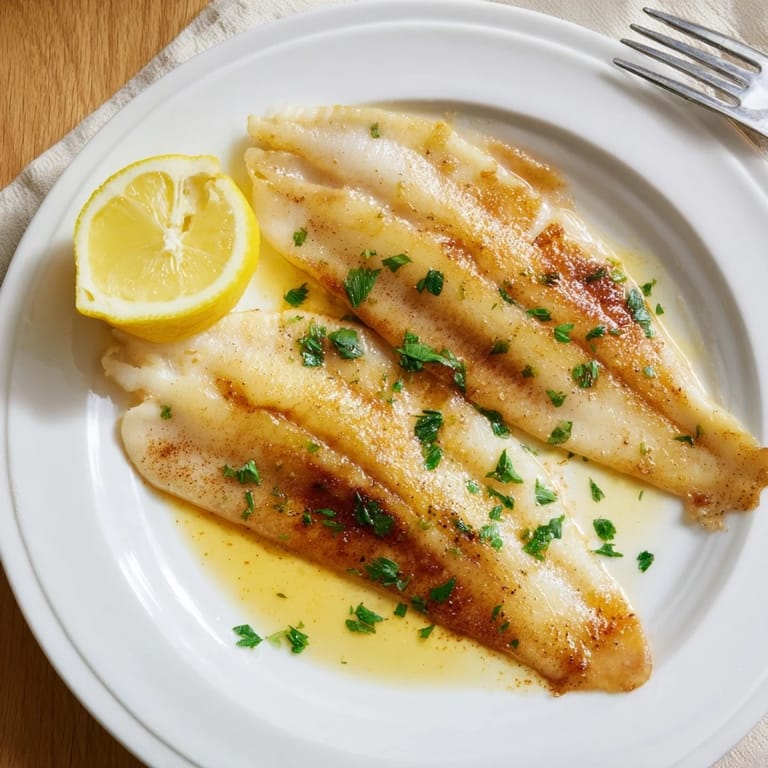
Save Sometimes the simplest dishes teach us the most about technique, and this recipe proves that elegance lives in restraint rather than complexity.
Recipe FAQs
- → What makes meunière different from other pan-fried fish?
Meunière refers specifically to the French cooking method where fish is dredged in flour and sautéed in butter, then served with a browned butter sauce. The flour creates a delicate golden crust while the beurre noisette sauce adds nutty depth. Unlike simple pan-frying, this technique creates a complete dish with the sauce formed right in the pan.
- → Can I substitute other fish for flounder?
Absolutely. Dover sole is the traditional choice and works beautifully. Tilapia, trout, or any mild white fish fillet can be used with excellent results. Just adjust cooking times slightly depending on thickness—thinner fillets may need only 1-2 minutes per side, while thicker cuts might require 3-4 minutes.
- → How do I know when the butter is properly browned?
Watch closely as the butter melts and foams. After the foam subsides, you'll see golden brown specks form at the bottom and smell a distinct nutty aroma. This is beurre noisette. Remove from heat immediately—it can go from perfectly browned to burnt in seconds. The sauce should be amber-colored, not dark brown.
- → Why is it important to wipe out the pan between steps?
The initial cooking leaves behind flour particles and any milk solids from the first butter that could burn or make the final sauce grainy. Starting fresh ensures your browned butter sauce stays smooth and clean. It only takes a moment and makes a noticeable difference in the final presentation.
- → What sides pair well with this dish?
The French traditionally serve this with steamed green beans or roasted potatoes. The mild fish also pairs beautifully with rice, simple salads, or crusty bread to soak up the sauce. For a complete meal, add a light white wine like Sauvignon Blanc or a crisp Chablis.
- → Can I make this gluten-free?
Yes. Substitute rice flour or a gluten-free all-purpose blend for the wheat flour. The dredging and cooking technique remains exactly the same. Rice flour actually creates an exceptionally light, crisp coating that many people prefer. Ensure all other ingredients are certified gluten-free if needed.