 Save
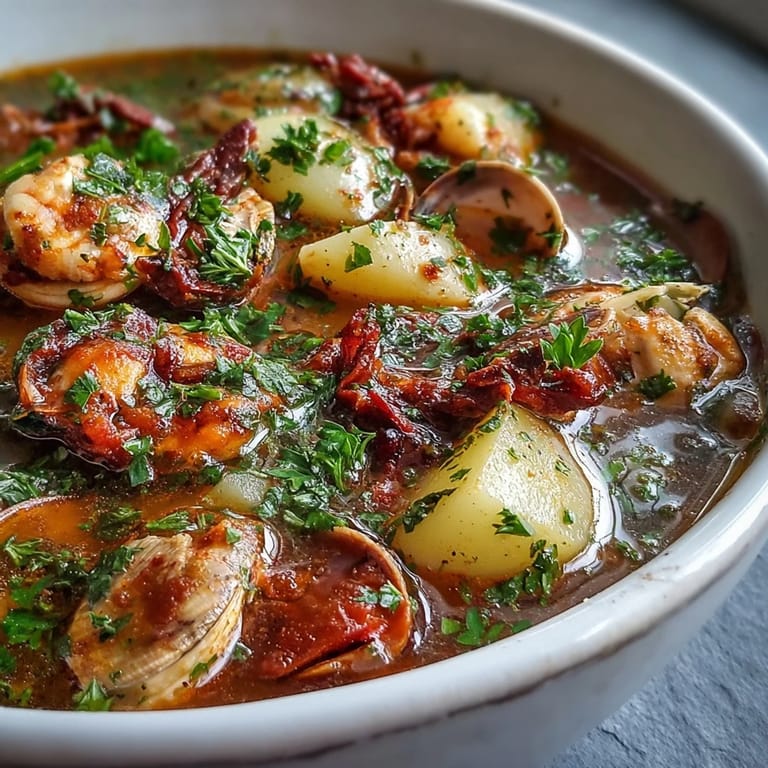
Save There's something about the smell of clams steaming open in a pot that takes me straight to a narrow seafood shack in lower Manhattan, where I watched a cook stir a massive kettle of this ruby-red chowder with the kind of casual confidence that only comes from making the same thing a thousand times. I went home determined to capture that moment, that vibrancy, and discovered that Manhattan clam chowder isn't fussy or complicated—it's just honest ingredients letting each other shine. The tomato base sings where a cream would whisper, and every spoonful tastes like the Atlantic decided to visit your kitchen.
I made this for my sister on a chilly October evening after she mentioned offhand that she missed eating clams but thought it was too complicated to cook at home. Watching her expression shift from skepticism to genuine satisfaction with that first spoonful reminded me that the best recipes aren't the ones that sound impressive—they're the ones that quietly become part of someone's rotation, the soup they end up craving on ordinary Tuesdays.
Ingredients
- Fresh clams (2 pounds littlenecks) or canned clams (3 cups): If you can find them, fresh clams are worth the small extra effort because steaming them yourself captures liquid gold—use it in your broth and you're already halfway to depth of flavor.
- Clam juice (3 cups): The bottled stuff is reliable, but if you steamed fresh clams, combine their liquid with store-bought to stretch your seafood investment further.
- Diced tomatoes (28 ounces canned with juice): Don't drain them—that juice is essential to the body of the soup and keeps everything from tasting thin.
- Olive oil (2 tablespoons): Just enough to coax out sweetness from your vegetables without making the broth greasy.
- Onion, celery, carrots, bell pepper (1 large, 2 stalks, 2 medium, 1 medium): This is your aromatic foundation, and the mix matters—carrots add gentle sweetness, celery brings earthiness, and the pepper rounds everything out with a subtle brightness.
- Yukon gold potatoes (3 medium, peeled and diced): Gold potatoes hold their shape through simmering and won't turn to mush, plus they have a subtle buttery quality that feels right in this soup.
- Garlic (3 cloves, minced): Add it after the softer vegetables or it'll turn bitter—a quick lesson I learned by not paying attention one afternoon.
- Thyme and oregano (1 teaspoon each, dried): These dried herbs work beautifully here because the long simmer lets them fully unfold without becoming harsh.
- Bay leaves (2): Remember to fish these out before serving—nothing ruins a good soup like accidentally biting into a leaf.
- Red pepper flakes, black pepper, salt: The pepper flakes are optional but worth the gamble if you like a whisper of heat threading through the tomato base.
- Fresh parsley (2 tablespoons, chopped): A last-minute handful makes everything taste fresher and more intentional, even if the soup has been simmering for half an hour.
Tired of Takeout? 🥡
Get 10 meals you can make faster than delivery arrives. Seriously.
One email. No spam. Unsubscribe anytime.
Instructions
- Steam your clams (if using fresh):
- Scrub them under cold running water to remove any grit, then place them in your pot with a cup of water, cover it, and let medium-high heat do the work. They'll open in about five to seven minutes—don't force them open or you'll lose liquid and get bits of shell in your soup.
- Build your aromatic base:
- Warm olive oil in your large heavy pot, then add onion, celery, carrots, and bell pepper all at once. Let them soften together for about six to eight minutes, stirring occasionally—you're not looking for color here, just tender vegetables that smell sweet and mellow.
- Wake up the garlic:
- Once your vegetables have softened, add minced garlic and stir constantly for just one minute until the kitchen smells irresistible. This quick moment prevents the garlic from browning and turning bitter.
- Combine your liquids and solids:
- Add potatoes, tomatoes with their juice, clam juice, your reserved clam cooking liquid, and all your herbs and seasonings in one generous pour. Stir everything to distribute seasonings evenly, making sure no potato chunks are hiding at the bottom.
- Bring to a simmer:
- Let it come to a boil first—you'll see the surface ripple and steam rise—then lower the heat so the soup bubbles gently rather than aggressively rolling. This gentler approach keeps the potatoes from breaking apart and the broth clear and refined.
- Cook until potatoes are tender:
- Twenty to twenty-five minutes should do it, but taste a piece to be sure—they should be soft enough to break with a spoon but not disintegrating. This is when you can also taste for seasoning and adjust salt or pepper to your preference.
- Add the clams and finish:
- Stir in your chopped clams and let them warm through for just three to five minutes—overcooked clams become rubber, so resist the urge to let them simmer longer. Before serving, remove the bay leaves and add a final shower of fresh parsley.
 Save
Save My neighbor tasted this once and immediately asked for the recipe, then started making it for her daughter every Sunday during winter. There's something about a soup that becomes ritual, that transforms from a weeknight dinner into a moment people look forward to and remember—that's when you know a recipe has moved past being just food.
Choosing Your Clams
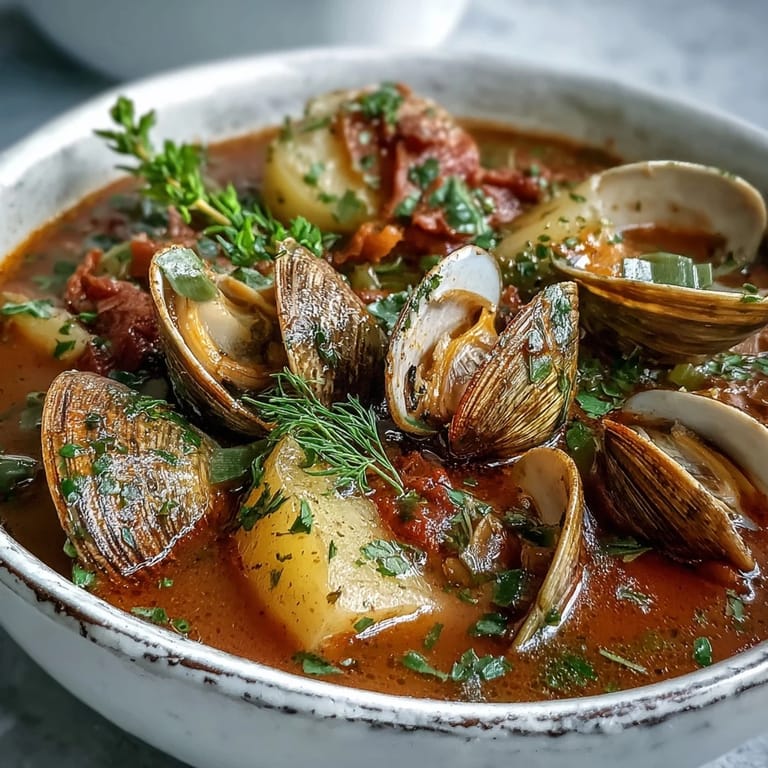
Fresh littleneck clams are the traditional choice because they're hearty enough to stand up to the long simmer without falling apart, and steaming them yourself captures a depth that bottled clam juice alone can't quite replicate. If fresh clams aren't available or feel intimidating, canned chopped clams work beautifully—just make sure to drain them well and use that liquid as part of your three cups of clam juice. The real secret is mixing reserved steaming liquid with bottled juice, which gives you the best of both worlds without pretending you're running a professional kitchen.
The Tomato Advantage
Manhattan chowder's tomato-based broth is lighter and brighter than the New England cream version, which means the clams and vegetables shine instead of disappearing into richness. The acidity from the tomatoes also cuts through the natural brininess of the clams in a way that feels balanced and refreshing, making this soup something you actually crave on warm days too, not just when the weather turns cold. Canned diced tomatoes are my preference here because they're processed at peak ripeness and come with their juice intact, which is essential to building the body of the broth without any fancy reduction technique.
Finishing Touches and Variations
A handful of fresh parsley stirred in at the end brings brightness that a pot simmering for half an hour needs, and it costs almost nothing but makes the whole bowl feel finished and intentional. Serve this with crusty sourdough or oyster crackers—there's no judgment here, whatever vessel helps you get every drop of broth to your mouth is the right choice. If you want to add layers, consider diced cooked bacon scattered over the top for smoke, or a handful of corn kernels for sweetness, or even a spoon of hot sauce on the side for guests who like heat.
- A squeeze of lemon juice over each bowl brightens everything and adds complexity without tasting citrusy.
- Leftover soup actually improves after a day in the refrigerator when flavors have time to mingle and deepen.
- This freezes beautifully for up to three months, though wait to add fresh parsley until you're reheating it.
 Save
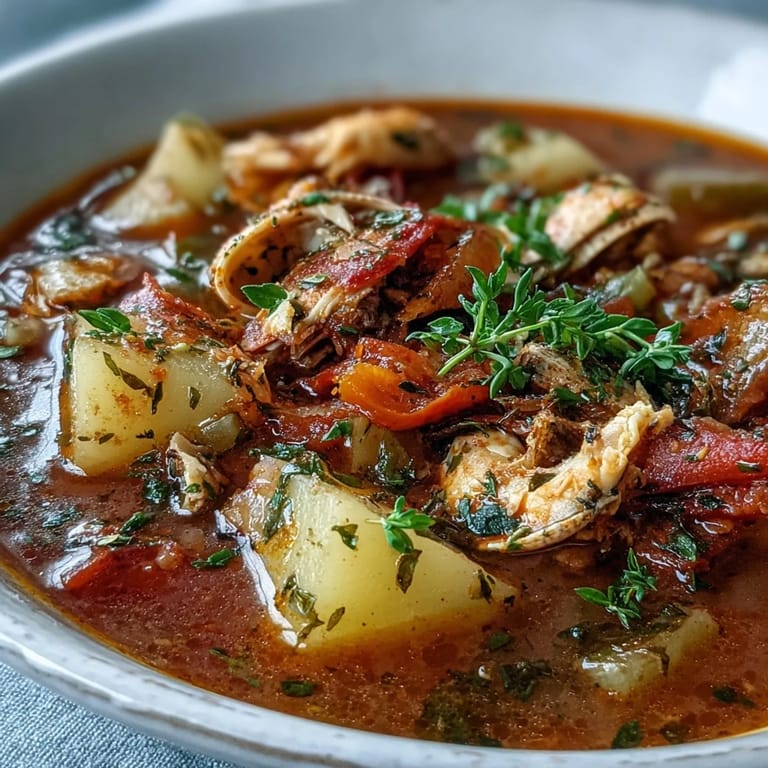
Save This soup exists in that perfect space between simple and impressive, the kind of dish that tastes like you spent all afternoon in the kitchen but actually took an hour. Make it once and you'll find yourself making it again, season after season, until it becomes the soup you turn to when you want both comfort and brightness in the same bowl.
Recipe FAQs
- → What makes Manhattan clam chowder different from New England style?
Manhattan clam chowder features a clear, tomato-based broth rather than the rich, creamy milk base of New England chowder. This results in a lighter, more vibrant soup with a slightly acidic tang that balances beautifully with the natural sweetness of clams and vegetables.
- → Can I use canned clams instead of fresh?
Absolutely. Canned chopped clams work wonderfully and significantly reduce preparation time. If using canned clams, reserve the juice to boost flavor, and supplement with additional bottled clam juice to reach the required three cups of liquid.
- → How do I store and reheat leftover chowder?
Store cooled chowder in an airtight container in the refrigerator for up to three days. Reheat gently over medium-low heat, stirring occasionally. The potatoes will continue absorbing liquid, so you may need to add a splash of water or broth when reheating.
- → What can I serve with Manhattan clam chowder?
Crusty sourdough bread, oyster crackers, or toasted baguette slices are classic accompaniments. The chowder also pairs well with a simple green salad dressed with vinaigrette to complement the tomato-based broth.
- → Can I freeze this clam chowder?
While you can freeze Manhattan clam chowder for up to three months, the potatoes may become slightly grainy upon thawing. For best results, consider freezing the broth and vegetables separately, then adding freshly cooked potatoes when reheating.
- → How do I know when fresh clams are properly cooked?
Fresh clams are fully cooked when their shells open completely during steaming, typically within 5-7 minutes. Discard any clams that remain closed after cooking, as they may be dead and unsafe to eat.