 Save
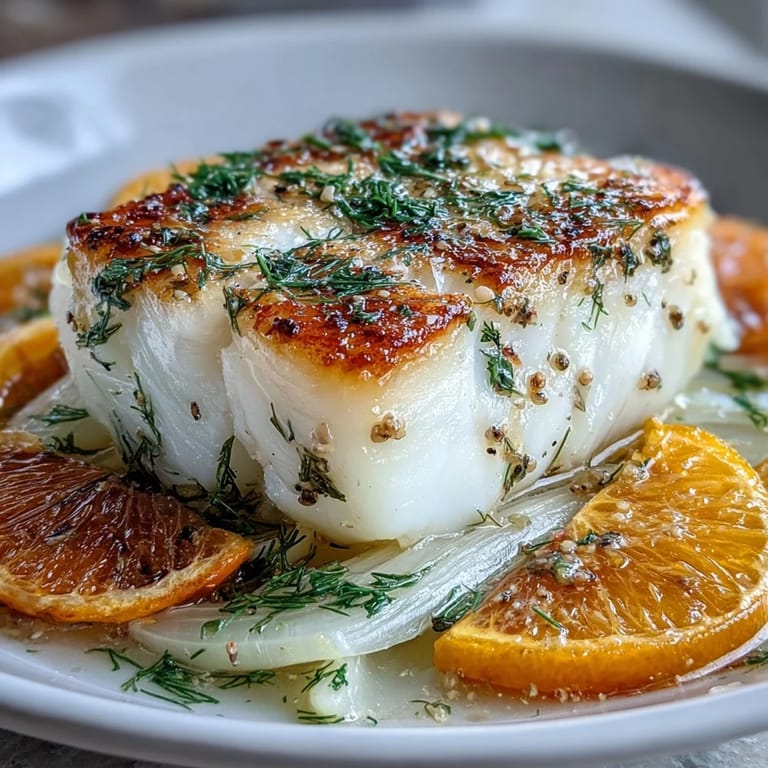
Save There's something about poaching that slows you down in the best way. I discovered this dish on a quiet Tuesday when I had just enough time to make something special but not enough energy for complexity. The fennel caught my eye at the market that morning, bright and crisp, and I thought about how it would soften into something sweet in the broth. What started as a simple weeknight dinner became the thing I make whenever someone needs feeding without fuss.
My sister called me stressed one evening, and I told her to come by around six. I had this exact dinner on the table within an hour, and watching her shoulders drop as she took that first bite made me realize how much a bowl of something warm and thoughtful can matter. The orange zest caught the light, and we barely spoke for the first few minutes, just ate and breathed in the steam rising from our plates.
Ingredients
- Fresh cod fillets (4, about 150 g each): Look for fillets that smell like ocean air, not ammonia. Skinless makes this easier, but ask your fishmonger to remove it if needed, and cook the same day you buy.
- Fennel bulb (1 large): That pale green vegetable transforms completely when it hits the liquid, becoming silky and almost candy-sweet. Don't skip the fronds for garnish; they're where the subtle anise flavor lives.
- Orange (1): Zest it first while the peel is firm, then slice thinly for the poaching liquid. The citrus is your backbone here, cutting through richness and brightening every spoonful.
- Shallot and garlic (1 small shallot, 2 garlic cloves): These build the flavor base without shouting. Slice thin so they soften quickly and dissolve into the broth.
- Fish or vegetable stock (500 ml): Low-sodium is essential because you're reducing flavor, not diluting it. Taste if you can; good stock makes all the difference.
- Dry white wine (120 ml): Pick something you'd actually drink. The alcohol burns off, leaving just the wine's brightness and body behind.
- Extra virgin olive oil (2 tbsp): This is your cooking fat and it matters. Something fruity and peppery will echo beautifully in the finished dish.
- Bay leaf, sea salt, and black pepper: The bay leaf holds everything together; the salt and pepper are your final adjustments, so taste as you go.
Tired of Takeout? 🥡
Get 10 meals you can make faster than delivery arrives. Seriously.
One email. No spam. Unsubscribe anytime.
Instructions
- Build your aromatics base:
- Warm the olive oil in your skillet over medium heat until it shimmers slightly. Toss in the fennel, shallot, and garlic, listening for that gentle sizzle. Let them cook for 3 to 4 minutes, stirring now and then, until the fennel starts to soften and the kitchen smells like something good is happening.
- Create the poaching liquid:
- Add the orange slices, orange zest, bay leaf, white wine, and stock all at once. The mixture will bubble and hiss as it comes together. Bring it to a gentle simmer where bubbles break the surface slowly, not a rolling boil.
- Prepare and nestle the cod:
- Pat the cod fillets dry with a clean cloth, then season both sides lightly with salt and pepper. Lay them gently into the simmering liquid in a single layer, nestling them among the aromatics. They should be mostly submerged or nearly so.
- Poach with patience:
- Lower the heat to low, cover the skillet, and let the fish cook undisturbed for 8 to 10 minutes. Peek under the lid around the 7 minute mark to check. The fillets will go from translucent to opaque, and the flesh will flake when you nudge it gently with a fork.
- Plate with intention:
- Using a slotted spatula, carefully lift each fillet and some fennel onto warm serving plates. The fish is delicate after cooking, so move slowly. Spoon some of the poaching liquid and orange slices around and over the fish.
- Finish and serve:
- Scatter the reserved chopped fennel fronds over the top, add a sprinkle of fresh orange zest, and finish with a grind of black pepper. Serve immediately while the broth is still warm.
 Save
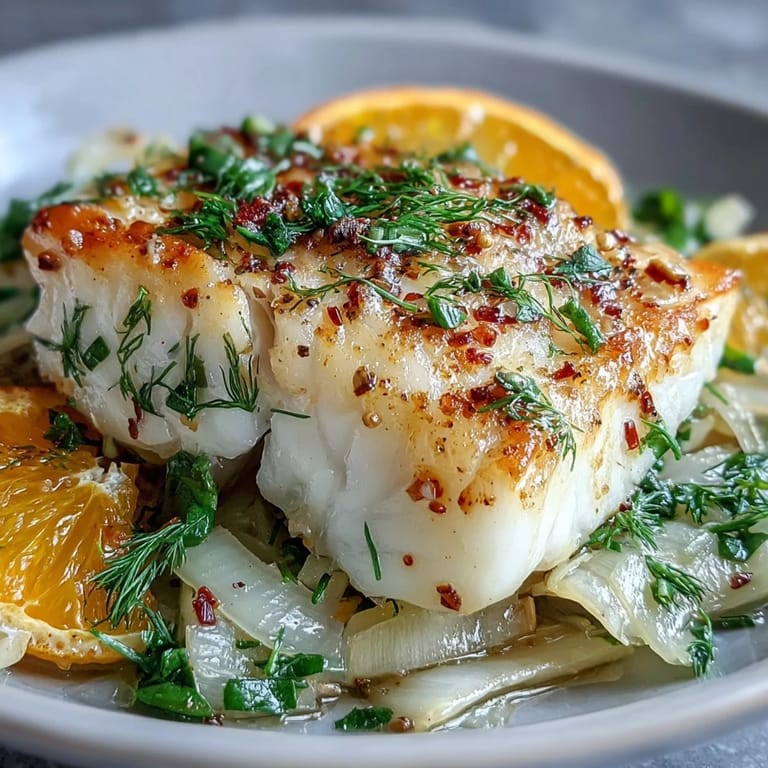
Save There was a moment during dinner when the light was fading outside and the candles were just right, and my friend asked for the recipe while still eating. I realized then that good food isn't about impressing anyone. It's about making something simple enough that you can focus on the people across the table, and good enough that they actually taste every bite.
Why This Dish Works
Poaching is one of those cooking techniques that sounds fancy but is actually the gentlest way to cook delicate fish. The liquid stays below a boil, so the fish never seizes or toughens. Instead, it steams gently in an aromatic bath, absorbing flavor while staying impossibly tender. The fennel and orange aren't just flavor additions; they actually soften into part of the meal itself, becoming as important as the fish.
What to Serve Alongside
This dish sings with simple sides. I usually make some crusty bread to drag through the poaching liquid, which is almost better than the fish itself. Steamed new potatoes tossed in a little butter work beautifully too. The point is to have something to soak up all that bright, fennel-scented broth so nothing goes to waste.
Swaps and Variations
Cod is mild and forgiving, but this method works beautifully with other white fish. Halibut, haddock, and sea bass all poach just as gently. If you want to push the flavor further, add a few fresh thyme sprigs to the liquid or a splash of Pernod for something more anise-forward and a little mysterious.
- Substitute the wine with extra stock if you're avoiding alcohol; the broth will be lighter but still delicious.
- Swap the fennel for thinly sliced leeks or celery if that's what you have on hand.
- Leftover poaching liquid freezes well and makes an excellent base for fish soup the next week.
 Save
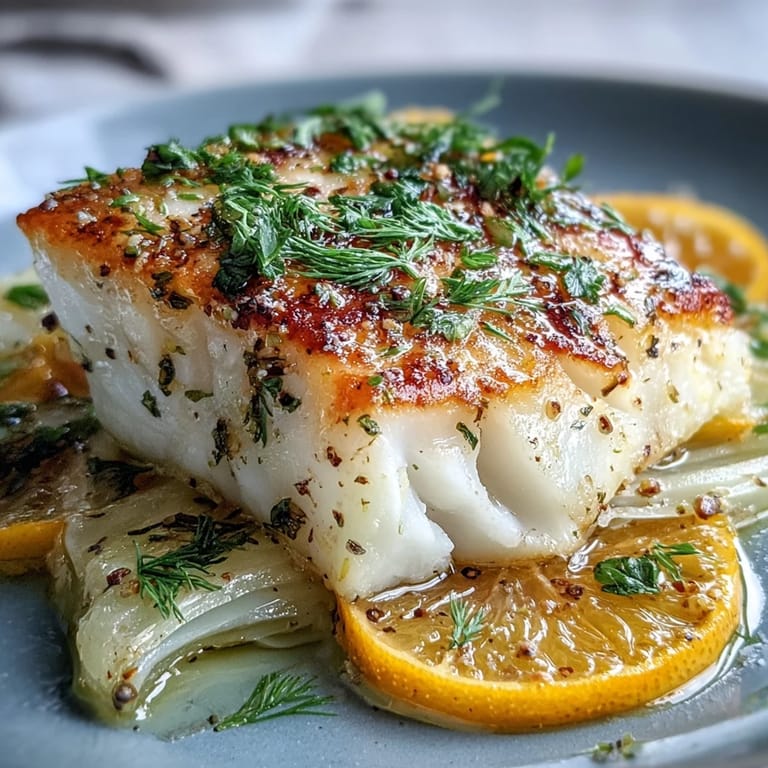
Save This is the kind of meal that feels like a gift to yourself and anyone lucky enough to be eating with you. The whole kitchen smells like citrus and the sea, and in 35 minutes you've made something that tastes like you actually know what you're doing.
Recipe FAQs
- → What does poached cod taste like?
Poached cod has a delicate, melt-in-your-mouth texture with mild flavor that absorbs the aromatic notes of fennel, orange, and white wine from the poaching liquid.
- → How do I know when the cod is done poaching?
The cod is ready when it turns opaque throughout and flakes easily with a fork. This typically takes 8-10 minutes over gentle heat.
- → Can I substitute the cod with other fish?
Yes, halibut, haddock, or sea bass work beautifully with this preparation. Adjust cooking time based on fillet thickness.
- → What sides pair well with this dish?
Steamed potatoes, crusty bread for soaking up the broth, or a light arugula salad complement the delicate flavors perfectly.
- → Can I make this dairy-free?
This dish is naturally dairy-free, gluten-free, and low-carb, making it suitable for various dietary preferences.
- → How can I enhance the poaching liquid?
Add fresh thyme sprigs, a splash of Pernod, or extra orange zest to deepen the aromatic profile of the broth.